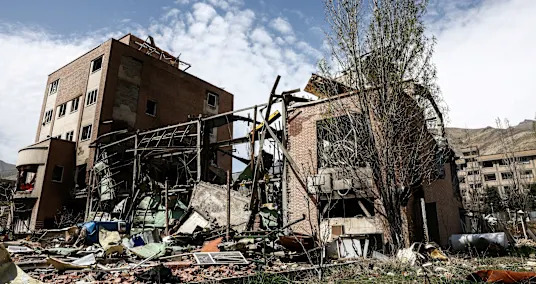
In Tehran, a city of nine million people, schools are closed, businesses are shuttered or struggling, and locals are living without a functioning air-raid warning system or public shelters. In many areas, the first sign of an incoming strike is the explosion itself.
There have been twice as many US and Israeli attacks on Iran compared to the number of Iranian retaliatory strikes since the war began — and the numbers killed in Iran have been orders of magnitude greater than in the neighboring Gulf states. A nationwide internet blackout, now entering its second month, has left civilians unable to access information about safety, shelter, and food and has meant some are unable to work. But while millions have fled Iran’s cities, many more are staying where they are. Some residents are hoping the US and Israeli bombs will cause the regime to collapse; others are left wondering if they are at risk if their neighbors are targeted.
For the many Iranians with ties to Dubai, there are other pressures, with Iranian nationals now barred from entering or transiting through the UAE. Residency permits, even for those with long-term Golden Visas, are reportedly being revoked without notice.

latest_posts
- 1
 Mom finds out she has cancer after noticing something was off while breastfeeding
 - 2Israel's haredi draft crisis: Court ruling and political stalemate reach breaking point
- 3The Most Enrapturing Authentic Milestones to Visit
- 4Purdue Pharma's deal means money for some victims, end of Purdue company name. Here's what to know
- 5'Sex and the City' star Kim Cattrall marries longtime partner Russell Thomas in intimate London wedding




- Taylor Momsen explains why she quit 'Gossip Girl': 'I really didn't want to be there'
- Finding the Universe of Craftsmanship: Individual Encounters in Imagination
- Audits of 6 American Busssiness Class Flights
- Famous Versatile Brands: Your Decision
- Journey through Pages: A Survey of \Plunging into Scholarly Universes\
- Some are walking out. Some are shouting. Some are oblivious. How kids are reacting to THAT 'Wicked: For Good' scene
- Experience Sports in Dubai: A Daredevil's Aide
- Best Exciting ride: Which One Rushes You the Most?
- Fascinating Fishing Objections From Around The World


