A massive dust storm, or haboob, swept across the Sahara Desert from western Algeria into Mauritania, Morocco, Western Sahara and the Canary Islands on March 30. The dust stretched for more than 1,000 miles.
As meteorologists observed the dust storm from space via weather satellites, social media users captured the incoming dust storm on camera. One video shows a thick wall of dust and sand moving toward a resident of the town of Tindouf, near the Mauritanian, Western Saharan and Moroccan borders.
How does the dust affect tropical storms in the Atlantic?
While this storm didn't make it too far off the coast, significant amounts of dust can drift westward from Africa across the Atlantic beginning in May. This can inhibit tropical storm formation, or the strengthening of an existing system, because the dusty air has about 50% less moisture than the typical tropical atmosphere.
Strong winds in the dust layer can also substantially increase the vertical wind shear in and around the storm environment, potentially disrupting any storm that forms.
latest_posts
- 1
 Farewell, comet 3I/ATLAS! Interstellar visitor heads for the outer solar system after its closest approach to Earth
 - 2Help Your Business with Master Web based Promoting Arrangements
- 3Vote In favor of Your Favored Cereal
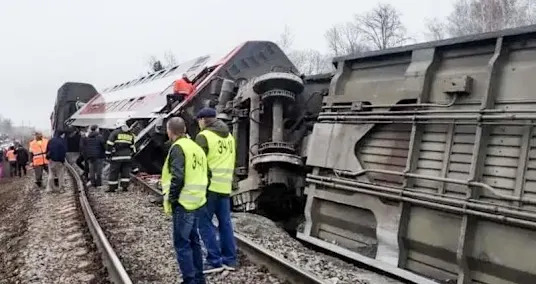
- 4Dozens injured in Russia after train crashes, overturns
- 5Step by step instructions to Guarantee the Life span of Your Dental Inserts: Support and Care Guide



- Undeniably popular Historical centers: Where Craftsmanship and History Meet
- Old food pyramid vs. RFK Jr.'s new food pyramid. See what's different.
- Nature's Treats: 10 Organic products That Lift Prosperity
- Glamour Shots once ruled the mall. I went to one of the last ones standing.
- 6 Novice Cameras for 2024: Ideal for New Picture takers
- 2 of Earth's rarest lightning phenomena captured simultaneously in once-in-a-lifetime photo
- Saturn shines with the waxing moon at sunset on Nov. 29
- What's the new 'Knives Out' mystery about? Everything to know about 'Wake Up Dead Man,' including who's in the cast and what the reviews say.
- The last penny was pressed by the U.S. Mint in Philadelphia today. Could the nickel and dime be next?


