
Iran and its Lebanese Hezbollah militia proxy on Thursday fired rockets again at Israel, where people are currently celebrating Passover.
In the morning, warning sirens sounded repeatedly in northern Israel. Two men were slightly injured by a Hezbollah rocket, the Magen David Adom emergency service said.
An Iranian rocket also aimed at the north was fitted with cluster munitions, Israeli media reported. The use of cluster munitions is widely banned internationally because they can scatter explosive devices uncontrollably over large areas and are particularly dangerous for civilians.
There was also repeated fire at Israel overnight. A rocket alert was triggered in the coastal metropolis of Tel Aviv, among other places. Magen David Adom reported several people with minor injuries from broken glass in a suburb of Tel Aviv, including two babies.
The week-long Passover festival began on Wednesday evening for Jews around the world. It commemorates the exodus of the Israelites from Egypt and their liberation from slavery.
latest_posts
- 1
 Map shows more than 1,900 measles cases across U.S.
 - 27 Peculiar Ways Of starting Your Imagination: Motivation Has Never Been This Good times
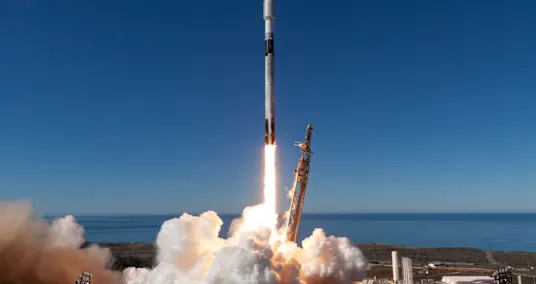
- 3Watch SpaceX launch 119 payloads to orbit from California early on March 30
- 4Astrophotographer captures rare footage of the Hubble Telescope crossing the sun (video)
- 5The 10 Most Compelling Forerunners in Innovation




- ‘Everybody Loves Raymond: 30th Anniversary Reunion’ premiere date: How to watch, channel, time, cast and more
- Embrace Effortlessness: Moderation and Cleaning up Tips
- The wolf supermoon will kick off 2026 with a celestial bang. Here's when and how to see it.
- Dominating the Remote Work Way of life: Individual Systems
- The best movies to watch this holiday season: Stream 'A Christmas Story Christmas,' revisit 'The Night Before' and discover 'The Baltimorons'
- Beddings of 2024: Track down Your Ideal Fit for a Tranquil Rest
- Man threatens attack on German high-speed train, injures several
- At least 18 Palestinians killed in latest clashes in Gaza
- Astronomers now say the moon is eating up molecules from Earth’s atmosphere