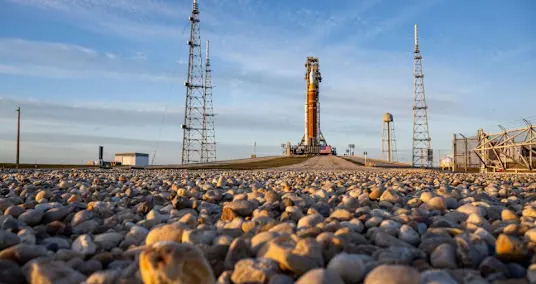
The UK is forecast to experience weaker growth and higher inflation due to the impact of the war in the Middle East, according to an influential global policy group.
It means this year the UK is expected to have the second-highest inflation rate among the G7 group of advanced economies - at 4%, the Organisation of Economic Co-operation and Development (OECD) said.
The body has also downgraded forecasts for many of the world's biggest economies due to the US-Israel war with Iran.
A prolonged conflict could trigger "significant energy shortages" globally, it warned, while if the sharp rise in fertiliser prices is sustained crop yields will be impacted and food prices will soar next year.
The OECD's new forecast for UK inflation is up from the rate of 2.5% it had predicted at its previous report in December.
It then forecasts inflation to drop to 2.6% in 2027 - still up from its previous projection of 2.1%.
Economic growth is now forecast to be 0.7% in the UK this year, down from 1.2% it had previously expected. Its forecast for 2027 is unchanged.
In early March the government's official forecaster, the Office for Budget Responsibility (OBR), cut its expected growth rate for 2026 to 1.1% from the 1.4% it predicted in last year's Budget.
But this forecast was made before the Iran war, which the OBR said could have a "very significant" impact on economies.
Among G7 countries, only the US is predicted to have higher inflation than the UK in the OECD's forecast, while only Italy is expected to see weaker growth.
Global growth is expected to fall to 2.9% this year before nudging up to 3% in 2027. And inflation across the G20 countries is predicted to be 4%, up from previously expected, dropping back to 2.7% next year.
The OECD said its predictions depend on the assumption that the current energy market disruption eases, with oil, gas and fertiliser prices falling from summer onwards.
It said measures from governments to cushion households from the impact of higher energy prices "should be timely, well-targeted on households most in need and viable firms, preserve incentives to lower energy use and have clear expiry mechanisms".
Policies that improve domestic energy use and lower reliance on imported fossil fuels over the medium term were a priority, it added.
The forecast comes as UK clothing retailer Next warned it was likely to have to raise prices for customers if the Iran war persists.
It said overseas sales had been strong up to when the conflict in the Middle East broke out, and instability may continue to restrain growth in that region.
latest_posts
- 1
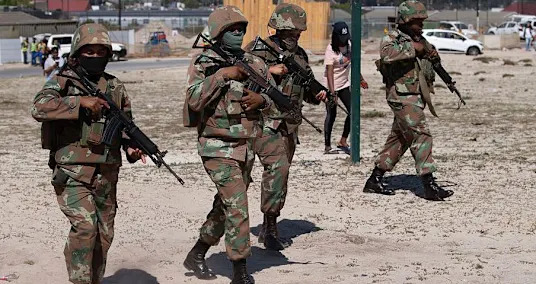
 South African army arrive in crime hotspots to help tackle gangs
 - 2All that You Really want to Be familiar with Dental Inserts Facilities
- 3Joshua Made Last-Second Seat Change That Saved His Life
- 410 Work Valuable chances to Assist with supporting Your Advanced degree
- 5Drones, physics and rats: Studies show how the people of Rapa Nui made and moved the giant statues – and what caused the island’s deforestation




- The Way to Business: Startup Illustrations Learned
- America's Confided in Cooler in 2024
- Tragedy in Minnesota, vaccine news, Snoop's game call: Week in review
- We analyzed Philly street scenes and identified signs of gentrification using machine learning trained on longtime residents’ observations
- Figure out How to Use Your Nursing Abilities for Better Compensation
- This is Countdown, CNN’s newsletter covering NASA’s first time sending humans to deep space in over 50 years
- Images of Bangladeshi motorcyclists sleeping at petrol pumps are AI-generated
- Blake Lively's sexual harassment claims against Justin Baldoni dismissed. Where the case stands now.
- Former 'Bachelorette' welcomes 1st baby via emergency c-section