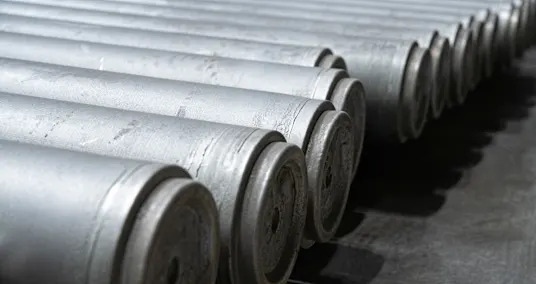
Fears of global aluminium shortages that could affect the production of clean energy technologies intensified after Iran struck two major Gulf aluminium producers, sending prices to a four-year high. The Middle East accounts for 9% of the world’s production of aluminum, which is essential to a wide range of industries from transportation, construction, and packaging, as well as the manufacture of solar panels, electrical transmission systems, wind turbines, and EVs.
Export shipments to the US and Europe had already come to a halt because of the effective closure of the Strait of Hormuz, and Morgan Stanley economists singled out aluminium as carrying a high level of risk across the value chain. Andy Farida, an aluminium analyst at Fastmarkets, told Semafor that high prices would be passed on to end-users, ultimately causing demand destruction. “A prolonged shutdown (with little to no alternative supplies other than Russia and China) could cripple the supply of aluminium to support the production of clean and green technology,” he said, adding that relief could come “if governments allow some sanctioned Russian and Chinese aluminium to be imported.”

latest_posts
- 1
 Why ordering takeout or calling the dog walker might lead to a happier relationship
 - 2'All's Fair,' Ryan Murphy's new show starring Kim Kardashian, hit with scathing reviews: 'A girlboss fever dream'
- 3Vote In favor of Your Favored Keeping an eye on
- 4Surge of off‑lease electric vehicles expected to drive down used EV prices
- 5Quandoo to shut restaurant booking platform by end of 2026



- Virtual National Science Foundation internships aren’t just a pandemic stopgap – they can open up opportunities for more STEM students
- Reclassifying Achievement: Individual Accounts of Seeking after Interests
- Nexi expands alliance with PayPal
- AstraZeneca to acquire Modella AI to speed oncology drug research
- 5 Great Home Remodel Administrations With Green Arrangements In 2024
- The Starbucks for Life game is back, along with your chance to win a 'Bearista' cold cup. Here's how to get your paws on one.
- Mali and Canadian miner Barrick agree to resolve tax dispute, ending 2-year standoff
- 5 Family SUVs for 2024: Which One Accommodates Your Family's Needs\uff1f
- A 3-limbed Kemp's ridley sea turtle is now being tracked at sea by satellite