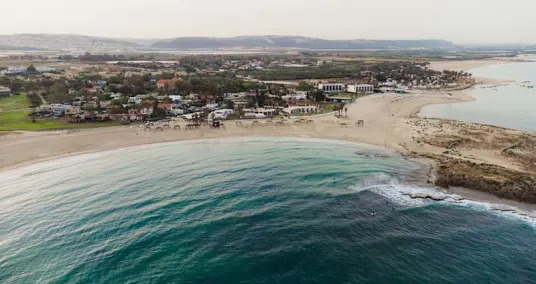
The discovery was made in an ancient shipwreck in the Dor Lagoon near the Carmel Coast, where archaeologists recovered nine pieces of unprocessed iron known as “blooms.”
Researchers from the University of Haifa said Wednesday that an underwater excavation off Israel’s northern Mediterranean coast uncovered what they described as the earliest known cargo of raw iron transported by ship, dating back around 2,600 years, Xinhua reported.
The discovery was made in an ancient shipwreck in the Dor Lagoon near the Carmel Coast, where archaeologists recovered nine pieces of unprocessed iron known as “blooms.” According to the university, the find provides direct evidence of how iron was transported in its earliest commercial stages.
The material was preserved in its original form, having solidified directly in a smelting furnace without undergoing forging or further refinement. Researchers said this distinguishes the cargo from later iron artifacts that typically show signs of shaping or tool-making.
Unlike copper and bronze, which could be melted into liquid form in ancient production processes, iron was heated with charcoal to produce a solid, porous mass. That mass was generally hammered to remove impurities and create denser material suitable for tools and implements.
The recovered blooms showed no indication of that secondary processing stage, suggesting they were transported immediately after production.

Earliest iron shipment discovered in ancient Mediterranean wreck
To determine the age and condition of the cargo, researchers conducted microscopic and chemical analyses.
Radiocarbon dating was also carried out on charred wood embedded in one of the pieces, helping confirm the timeline of the shipment. The findings were published in the journal Heritage Science.
Researchers said the cargo indicates that iron was being moved in raw form from production sites to other locations for further processing, pointing to a level of specialization in ancient manufacturing and trade networks in the Mediterranean.
The University of Haifa said the discovery provides new insight into early iron production and distribution practices in the region.
latest_posts
- 1
 Council removes proposal to rename park named after former president of Israel
 - 2The Leonid meteor shower is peaking early this week. Here’s what to know
- 3The Most Moving TED Talks You Want to Watch
- 4Taylor Swift changes 2 song lyrics on 'Reputation' on the night of her Eras tour documentary premiere
- 5The Best Games Crossroads in History





- Remains of banker missing since 1999 found on California beach by family looking for seashells
- Carnival fever hits Lagos as locals celebrate Afro-Brazilian heritage
- The 15 Most Powerful Forerunners in Business
- NASA launches science balloon in Antarctica | Space photo of the day for Dec. 22, 2025
- America's Confided in Fridge in 2024
- 5 Home EV Chargers for Proficient and Solid Charging
- The Manual for Well known rough terrain Vehicles
- Elite Execution Gaming PCs for Gamers
- 'Harry Potter' fans rejoice: HBO releases 1st trailer for new TV series, set to premiere this Christmas