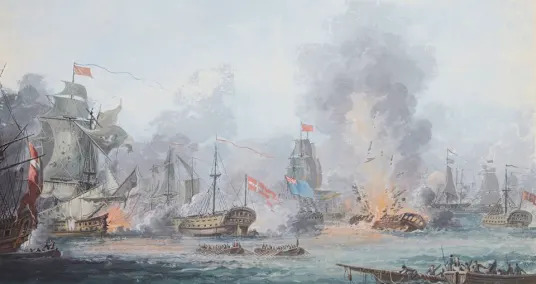
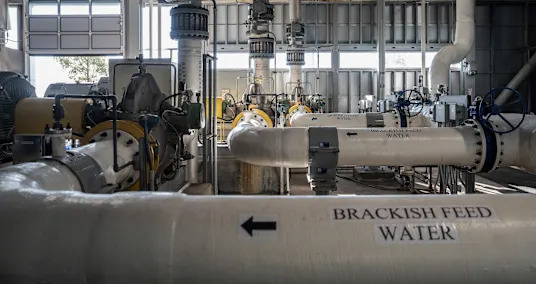
Find the Wonders of the Silk Street: Following the Antiquated Shipping lanes

The Silk Street, a multifaceted organization of old shipping lanes, flaunts a rich history and has fundamentally impacted civic establishments across Asia, Europe, and Africa. Extending huge number of miles, this broad organization worked with the trading of merchandise, thoughts, and societies between the East and the West. Allow us to leave on a verifiable investigation of the Silk Street, delineating its courses and uncovering its basic job in molding the world as far as we might be concerned today.
**Beginnings of the Silk Road:**
The Silk Street was not a particular street but rather a perplexing trap of shipping lanes that created over hundreds of years. Its starting points can be followed to the Han Administration in China (202 BCE - 220 CE), when the Chinese government expected to lay out exchange associations with adjoining areas and realms.
**Exchange and Social Exchange:**
The Silk Street's essential goal was to work with exchange, especially in extravagance products. Chinese silk arose as perhaps of the most valued product, close by flavors, valuable metals, materials, and extraordinary creatures. As shippers navigated these courses, they traded thoughts, dialects, religions, and creative impacts, encouraging huge social cooperations among East and West.
**Course Variations:**
The Silk Street comprised of various branches and courses that advanced over the long run. The chief courses stretched out from Chang'an (presently Xi'an) in China to the Mediterranean, going through Focal Asia, Iran, and the Center East. Extra branches prompted India, Southeast Asia, and, surprisingly, arrived at Africa. These courses navigated fluctuated landscapes, including deserts, mountains, and fields, moving merchants to adjust to extreme conditions.
**Social and Strict Influence:**
The Silk Street was vital in the spread of thoughts and religions. Buddhism, which began in India, advanced toward China by means of the Silk Street, while Islam dispersed from the Center East to Focal Asia and then some. These strict and philosophical trades, close by imaginative styles, engineering impacts, and mechanical headways, added to a rich and various social mosaic along the Silk Street.
**Verifiable Significance:**
The Silk Street significantly affected the development of civic establishments. It was instrumental in the ascent and fall of realms, formed provincial coalitions, and sustained strategic relations. The exchange of information and innovation \x1 like papermaking, black powder, and the compass \x1 prodded headways in science, craftsmanship, and fighting. The Silk Street likewise assumed a basic part in the spread of the Dark Passing pandemic in the fourteenth hundred years, which brought about huge segment shifts.
**Heritage and Revival:**
However the Silk Street's unmistakable quality reduced with the appearance of sea shipping lanes, its inheritance endures. The social, monetary, and conciliatory associations along the Silk Street laid the preparation for the present interconnected world. Present day drives, similar to China's Belt and Street Drive, intend to restore the soul of the Silk Street, advancing availability, financial joint effort, and social trades among countries along these old courses.
**UNESCO World Legacy Sites:**
Numerous UNESCO World Legacy Locales are arranged along the Silk Street, mirroring its rich verifiable and social inheritance. From China's Mogao Caverns, lodging Buddhist craftsmanship and compositions, to the structural wonders of the antiquated city of Samarkand in Uzbekistan, these destinations highlight the getting through meaning of the Silk Street.
**Travel and Exploration:**
Today, voyagers can backtrack the antiquated Silk Street, drenching themselves in the set of experiences and variety of the locales. Whether investigating the antiquated city of Petra in Jordan or the energetic business sectors of Kashgar in China, these excursions offer significant chances to associate with the past and value the wonders of human imagination and social trade.
Taking everything into account, the Silk Street represents the extraordinary force of exchange, social association, and human connections. Its courses associated mainlands, joining different civic establishments and affecting worldwide history. The tradition of the Silk Street perseveres, filling in as a sign of the significance of transparency, joint effort, and understanding among countries. Accordingly, let us leave on this excursion of disclosure, following the old shipping lanes and praising the marvels of the Silk Street.
**Beginnings of the Silk Road:**
The Silk Street was not a particular street but rather a perplexing trap of shipping lanes that created over hundreds of years. Its starting points can be followed to the Han Administration in China (202 BCE - 220 CE), when the Chinese government expected to lay out exchange associations with adjoining areas and realms.
**Exchange and Social Exchange:**
The Silk Street's essential goal was to work with exchange, especially in extravagance products. Chinese silk arose as perhaps of the most valued product, close by flavors, valuable metals, materials, and extraordinary creatures. As shippers navigated these courses, they traded thoughts, dialects, religions, and creative impacts, encouraging huge social cooperations among East and West.
**Course Variations:**
The Silk Street comprised of various branches and courses that advanced over the long run. The chief courses stretched out from Chang'an (presently Xi'an) in China to the Mediterranean, going through Focal Asia, Iran, and the Center East. Extra branches prompted India, Southeast Asia, and, surprisingly, arrived at Africa. These courses navigated fluctuated landscapes, including deserts, mountains, and fields, moving merchants to adjust to extreme conditions.
**Social and Strict Influence:**
The Silk Street was vital in the spread of thoughts and religions. Buddhism, which began in India, advanced toward China by means of the Silk Street, while Islam dispersed from the Center East to Focal Asia and then some. These strict and philosophical trades, close by imaginative styles, engineering impacts, and mechanical headways, added to a rich and various social mosaic along the Silk Street.
**Verifiable Significance:**
The Silk Street significantly affected the development of civic establishments. It was instrumental in the ascent and fall of realms, formed provincial coalitions, and sustained strategic relations. The exchange of information and innovation \x1 like papermaking, black powder, and the compass \x1 prodded headways in science, craftsmanship, and fighting. The Silk Street likewise assumed a basic part in the spread of the Dark Passing pandemic in the fourteenth hundred years, which brought about huge segment shifts.
**Heritage and Revival:**
However the Silk Street's unmistakable quality reduced with the appearance of sea shipping lanes, its inheritance endures. The social, monetary, and conciliatory associations along the Silk Street laid the preparation for the present interconnected world. Present day drives, similar to China's Belt and Street Drive, intend to restore the soul of the Silk Street, advancing availability, financial joint effort, and social trades among countries along these old courses.
**UNESCO World Legacy Sites:**
Numerous UNESCO World Legacy Locales are arranged along the Silk Street, mirroring its rich verifiable and social inheritance. From China's Mogao Caverns, lodging Buddhist craftsmanship and compositions, to the structural wonders of the antiquated city of Samarkand in Uzbekistan, these destinations highlight the getting through meaning of the Silk Street.
**Travel and Exploration:**
Today, voyagers can backtrack the antiquated Silk Street, drenching themselves in the set of experiences and variety of the locales. Whether investigating the antiquated city of Petra in Jordan or the energetic business sectors of Kashgar in China, these excursions offer significant chances to associate with the past and value the wonders of human imagination and social trade.
Taking everything into account, the Silk Street represents the extraordinary force of exchange, social association, and human connections. Its courses associated mainlands, joining different civic establishments and affecting worldwide history. The tradition of the Silk Street perseveres, filling in as a sign of the significance of transparency, joint effort, and understanding among countries. Accordingly, let us leave on this excursion of disclosure, following the old shipping lanes and praising the marvels of the Silk Street.
latest_posts
- 1
 From Loner to Force to be reckoned with: Individual Accounts of Change
 - 2Amateur's Manual for Venture Strategies for Tenderfoots
- 3Rights groups condemn Israel Police decision to ban Sudan Genocide protests nationwide
- 4Figure out how to Perceive Warnings while Looking for an Auto Collision Lawyer
- 5NASA launches science balloon in Antarctica | Space photo of the day for Dec. 22, 2025


- Sunken warship found off Danish coast after 225 years in ‘remarkable’ discovery
- Reporter's Notebook: The Post embeds with foreign armies visiting the IDF
- Freed whale gets stranded again off German coast
- Hunger and makeshift shelters persist in north Caribbean nearly 2 months after Hurricane Melissa
- What you need to know about desalination, a growing source of drinking water
- Must-See Attractions in France
- 7 Methods for further developing Rest Quality
- Are protests pushing Iran's Islamic regime toward a tipping point?
- Tesla plans to expand production at German car plant